
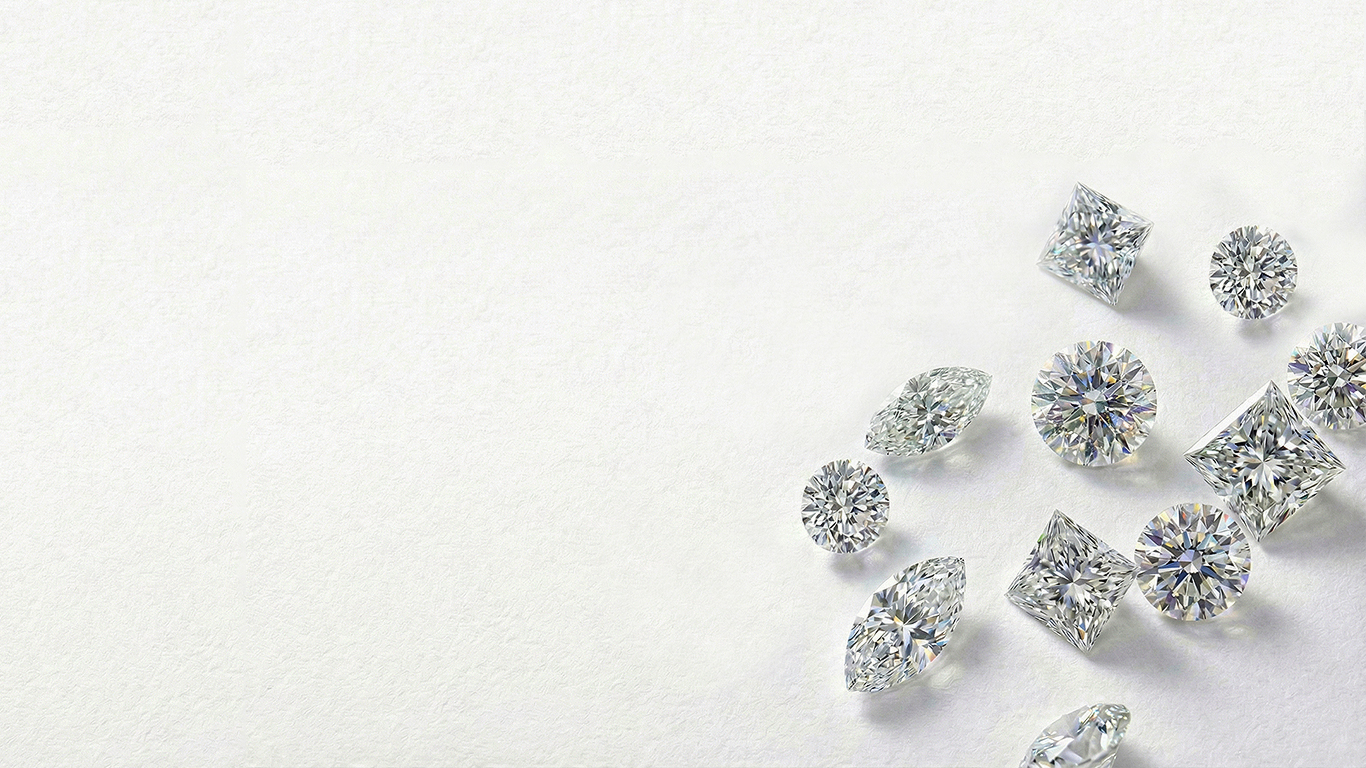
How Laboratory-Grown Diam nd Are Made — and Why They’re the Same
Laboratory-grown diamonds are not zircon, not moissanite, and not diamond simulants.
They are real diamonds. They share the same carbon crystal structure, the same hardness of 10 on the Mohs scale, and the same brilliance and durability as mined diamonds.
They are graded by the same 4Cs — Cut, Colour, Clarity and Carat.
The only difference is how they are formed
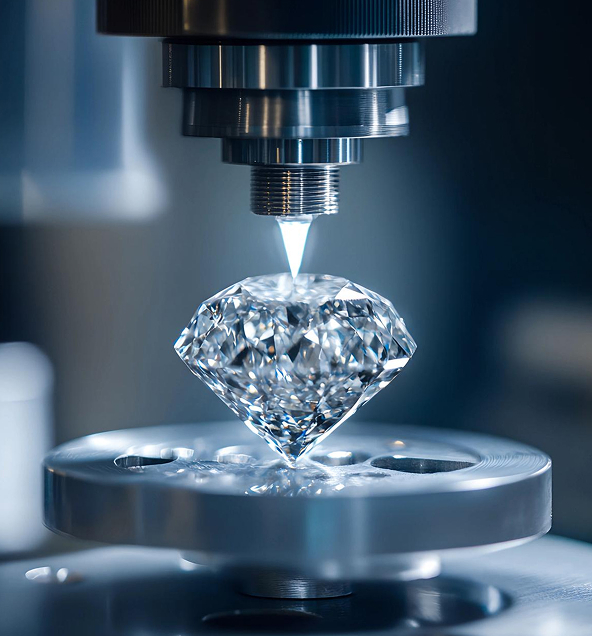
How They Are
Created
Laboratory-grown diamonds are formed in controlled environments that replicate the natural conditions under which diamonds develop beneath the earth’s surface.
Two primary methods are used globally:
HPHT (High Pressure High Temperature)
This process recreates the intense pressure and heat conditions found deep within the earth.
CVD (Chemical Vapour Deposition)
A more modern method, where carbon atoms are layered in a chamber until a diamond crystal forms.
Both methods produce a diamond with the same crystal structure as a mined diamond.
The growth process is controlled, traceable, and consistent.
Scientific Identity
At a material level, there is no distinction.
Laboratory-grown diamonds and mined diamonds share:
- The same carbon crystal structure
- The same hardness (10 on the Mohs scale)
- The same optical properties (brilliance, fire, scintillation)
- The same durability for everyday wear
They are graded using the same 4Cs — cut, colour, clarity and carat — as mined diamonds.
From a gemmological standpoint, they are diamonds.
From a gemmological standpoint, they are diamonds.
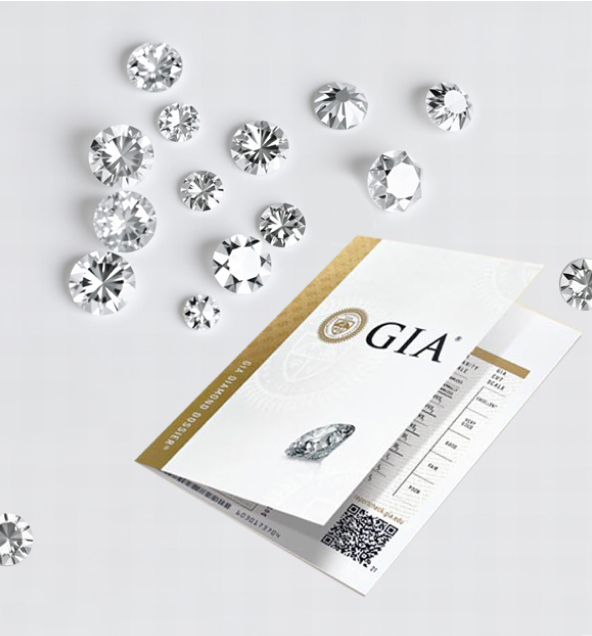
Certification &
Traceability
Laboratory-grown diamonds are independently graded and certified by recognised gemmological laboratories such as IGI.
Each certified stone includes:
- A detailed grading report
- Laser inscription on the diamond (matching the report number)
- Transparent quality parameters
The grading standards are the same as those applied to mined diamonds.
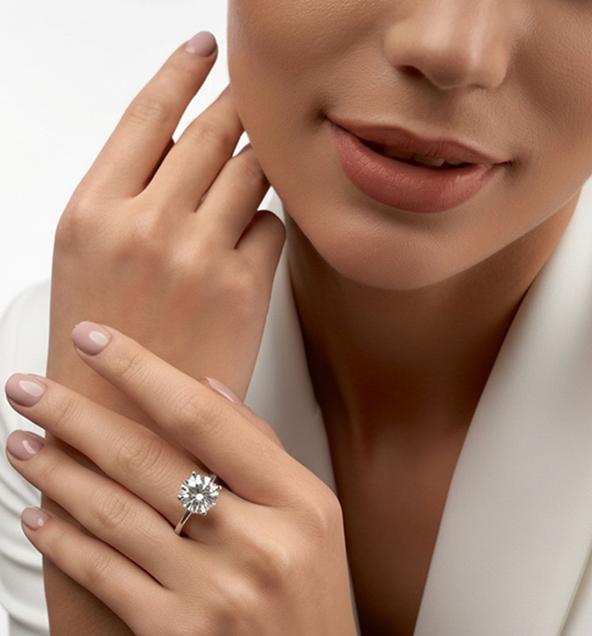
What Makes Them Different
The difference is origin.
Mined diamonds are formed naturally over billions of years beneath the earth’s surface.
Laboratory-grown diamonds are created in controlled environments over weeks.
The chemical and physical properties remain the same.
The formation journey differs.

They Are Not
Laboratory-grown diamonds are not:
- Cubic zirconia
- Moissanite
- Crystal
- Artificial glass
- Diamond simulants
Mined diamonds are formed naturally over billions of years beneath the earth’s surface.